
Pathology
Comprehensive laboratory testing (internal and external) for a range of pathogens or abnormalities.
Laminitis
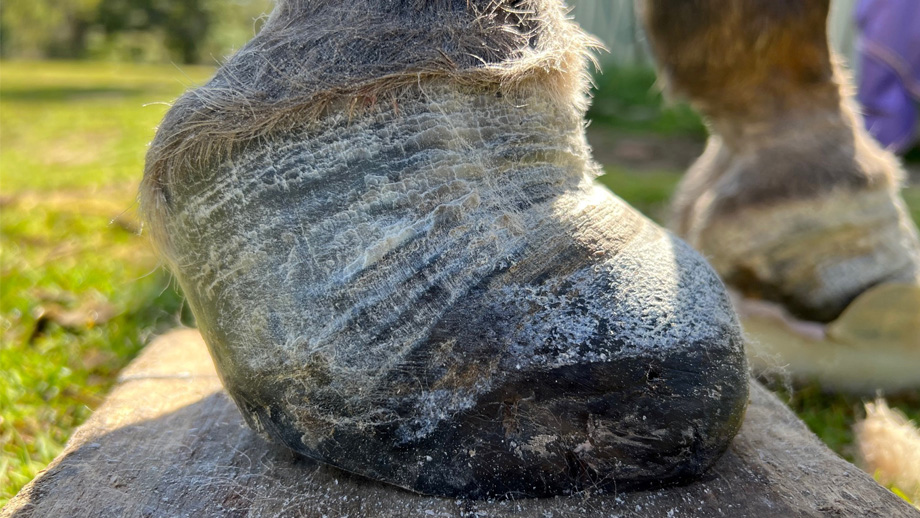
Laminitis is one of the most
common causes of equine
lameness we see. It can be a
severely debilitating disease
and lead to the horse’s
death in some cases.
It is a huge topic
which we could write
an entire book on
but I’ll attempt to
summarise it to
cover the main
points and provide
a basic overview.
Worming your horses

One of the most common questions that arises with horse owners is
worming of their horse, and rightly so, as it’s an important basic facet of
horse husbandry.
However, misinformation and glossy marketing from several big
pharmaceutical companies have contributed to poor use of our deworming
drugs to the point there is now widespread drug resistance, and this will be
devastating for our horses when we’re unable to treat basic conditions like
intestinal worms.
Pre Purchase Examinations
Full health and soundness assessment prior to purchase including written report findings.
Routine Surgery
Gelding, castrations, sarcoid and tumour removal, trauma surgery, eye ulcers and dehorning.
Reproduction
Artificial insemination (frozen or chilled), natural servicing, semen collection, pregnancy checks (ultrasound and palpation), caslicks, prolapse repairs, foaling and calving.
Lameness
Lameness assessment, laminitis workups, corrective shoeing, trimming, nerve blocks.
Equine Dentistry
Dental examinations, power floating with sedation and surgical tooth extractions.
Diagnostics
Digital ultrasound, digital radiography (xray), endoscopy and ophthalmology.
Wellness & Vaccination
Annual health checkups and vaccinations, parasite prevention, micro chipping, ID and branding and nutritional health.